
Comics from China

At the Frankfurt Book Fair 2009

Tara has visited the Frankfurt Book Fair every year in our 15 year history. Much has changed and progressed in this time, but the five days in the bustling fair halls continue to remain an important fixture in our calendar. For all the intensive preparation (juggling appointments and getting dummies ready on time) and the frenetic rushing around between meetings at the fair, it’s always been exciting and rewarding to be where the publishing world comes together. Frankfurt is much more than a trade fair where business is transacted. It’s a hub of activity, a once-a-year chance to catch up with old friends and meet new publishing partners.

Picture_Blog_ARUN

Roberto Calasso, the Italian writer and publisher at Tara Books' Frankfurt stall in 2001

Tara Books, 2009

Tara Books with Iranian publisher friends at Frankfurt, 2009

We’re pleased to say that the talk of digital publishing taking over from the printed word, and the fears of a global recession dampening spirits and tightening purse-strings have, for the most part, passed us by. At least, they haven’t materialized in a big way in the world of small independent publishing that we operate in. At this year’s fair Tara continued where it left off – abiding by our notion of the book as an enduring cultural icon.

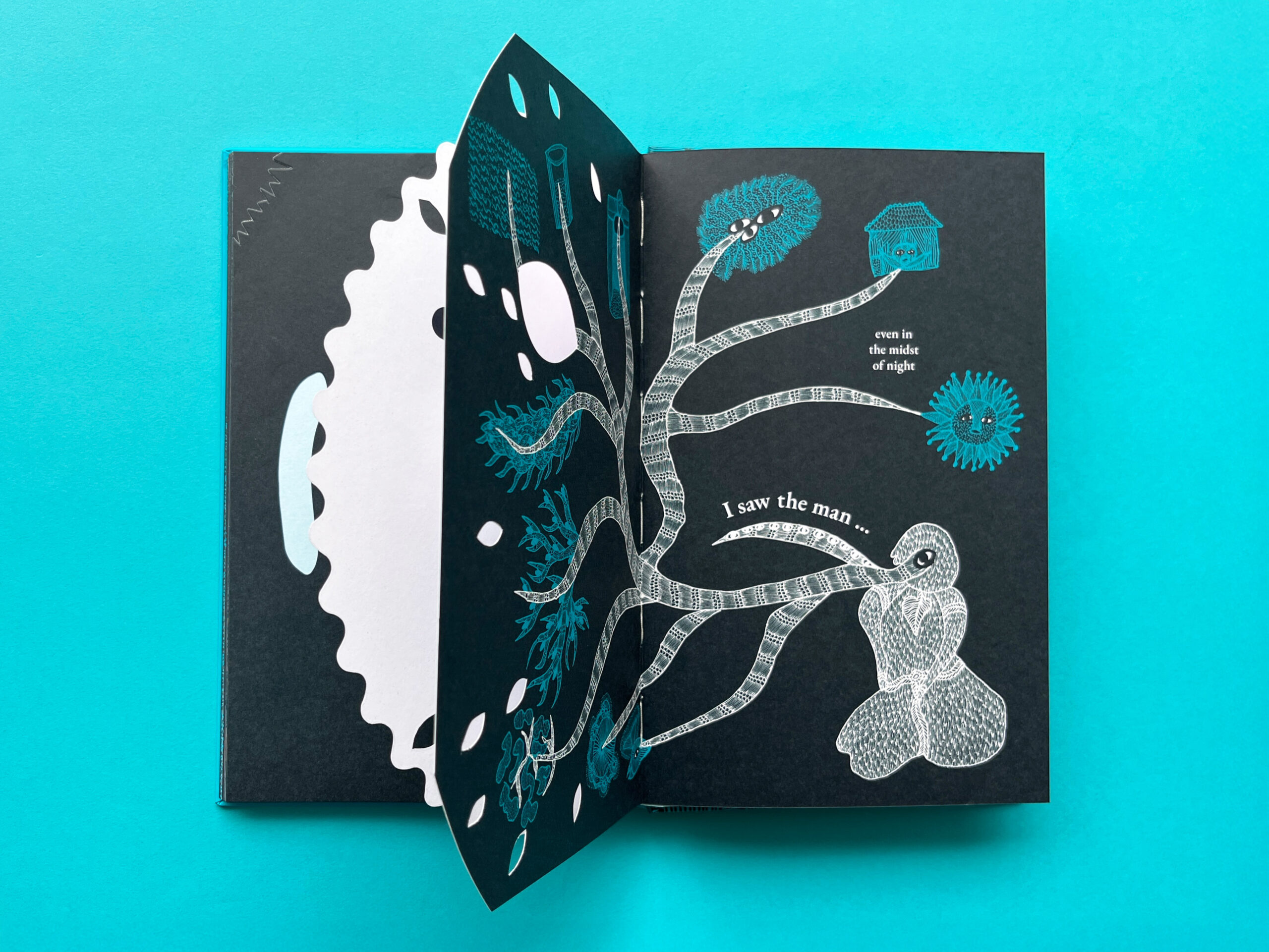
We had two new directions to announce: our Indian street photography series, and an unusual list of graphic novels – with Patua scroll painters from Bengal. Over the year, Tara has been working on nudging these traditional Indian narrative scrolls in the direction of contemporary graphic novels. They are more than halfway there, to begin with, and our project has taken us to unexpected places, to say the least.

The Flag

The Flag, Ed. by M. Lakshmanan

Sita's Ramayana

Sita's Ramayana - Written by Samhita Arni, Illustrated by Moyna Chitrakar

Sita's Ramayana

Sita's Ramayana - Written by Samhita Arni, Illustrated by Moyna Chitrakar

So unusual graphic novels are of particular interest to us, and at Frankfurt this year we were intrigued by a form we had never come across before: the Manhua, from China (this is the Chinese word for Manga that literally translates to ‘funny pictures’). As the guest of honour at Frankfurt 2009, China had a whole range of special exhibits. A great example of this was an exhibition at the jam-packed Comics Centre in Hall 3.0, called ‘Beijing – Ten Faces of One City’, which showcased enlarged illustrations by ten Manhua artists.

Manhua Art

Manhua has taken China by storm in the last few years, and approximately 3 million titles are sold every month. Hardly a coincidence, as the introduction to the exhibition points out – Mandarin is a highly visual and symbolic language. Manhua isn’t just derived from the Japanese Manga; China has its own comic tradition that can be traced back to the 1880s. At the time, black and white booklets known as ‘Lianhuanhua’ told stories through pictures that were accompanied by explanatory captions and were sold at low prices by street vendors. These stories were later used to instruct Chinese people on how they ought to think and behave. The Chinese comics scene has come a long way from this religious and political propaganda, with modern Manhua artists’ interest in representing how people actually live and think.

manhua

Song Yang’s ‘The People of Peking’

Some of the works on display were straight-up rebellious while others were thoughtful reflections. All of them provided unusual and visually stunning impressions of Bejiing and insights into the dynamic private lives of its residents. These stylistically diverse impressions of China’s capital city touched upon themes ranging from the transformation of the old-city, through environmental problems, to the difficulties of growing up in China today. A personal favourite was a spread from Song Yang’s ‘The People of Peking’ that depicts, with exquisite intricate illustrations, the lives of a homeless man and a pavement cobbler who doubles-up as a bicycle repair man. Unwittingly or otherwise, this showed a face of China that the official line was not keen to focus on.

Everyday life in China and the travails of the average Chinese person were not intended to be part of the official projection, but thankfully, there was enough room for them at the fair, away from the pomp and ceremony of the official delegation or the grand, if abstract, cause of freedom and democracy championed by the international press.

Close by in Hall 6.0, at the official China exhibit, the aisles were more or less desolate. It appears that giving this platform to China has turned the spotlight onto things - unpleasant and uncomfortable things - that the Chinese government is keen on sweeping under the carpet.

Frankfurt ‘09 fair was full of book readings, film screenings, and exhibitions that told of the joys and hardships of normal Chinese people, going about their lives and dealing with being hemmed in by the politics and traditions of their nation.

In a sense, the Manhua exhibition encompassed neatly the controversy around China’s appearance as the Guest of Honour at this year’s fair. The big din had to do with the media eager to take the fair’s organisers to task for providing a country with an appalling human rights and freedom of expression record such an important platform. Interestingly, by the end of the fair, a number of skeptics had changed their minds. It was precisely the issues and people that the Chinese government chose to censor or ignore – including persecuted dissident authors and Tibetan freedom – that became most visible. At the very least, viewers left with some valuable insight into the subversive potential of genuine literature. It is at least the beginning of dialogue, and some dialogue is always better than none.

Arun Wolf
(Projects Coordinator, Tara Books)

3 people like this post.
This entry was posted in Events. Bookmark the permalink. Post a comment or leave a trackback: Trackback URL.

3 Comments

  1. Posted February 19, 2010 at 4:42 pm | Permalink

    Is Samhita Arni related to Kanchana Arni?
    Just curious.

  2. Posted February 25, 2010 at 5:25 am | Permalink

    Hello. Yes, Samhita Arni is the daughter of Kanchana Arni.

  3. Posted March 22, 2011 at 1:56 pm | Permalink

    Which website do I go on to find chinese comics?

Post a Comment

Your email is never published nor shared. Required fields are marked *

*
*

You may use these HTML tags and attributes <a href="" title=""> <abbr title=""> <acronym title=""> <b> <blockquote cite=""> <cite> <code> <del datetime=""> <em> <i> <q cite=""> <strike> <strong>